Optimal Timing for Gunite Installations
Understanding the optimal timing for Gunite installations can influence the durability and quality of the finished surface. The ideal time depends on climate conditions, temperature, and humidity levels, which affect the curing process and adhesion. Proper scheduling ensures the material sets correctly, reducing the risk of cracks or surface imperfections.
Spring and fall are generally the best seasons for Gunite installation due to moderate temperatures and lower humidity, which facilitate proper curing.
Temperatures between 50°F and 85°F are ideal. Extreme cold or heat can affect the curing process, leading to potential defects.
Dry weather with low wind speeds is preferred. Rain or high humidity can cause delays and affect the quality of the application.
Scheduling installations during periods with stable weather conditions ensures consistent results and minimizes delays.
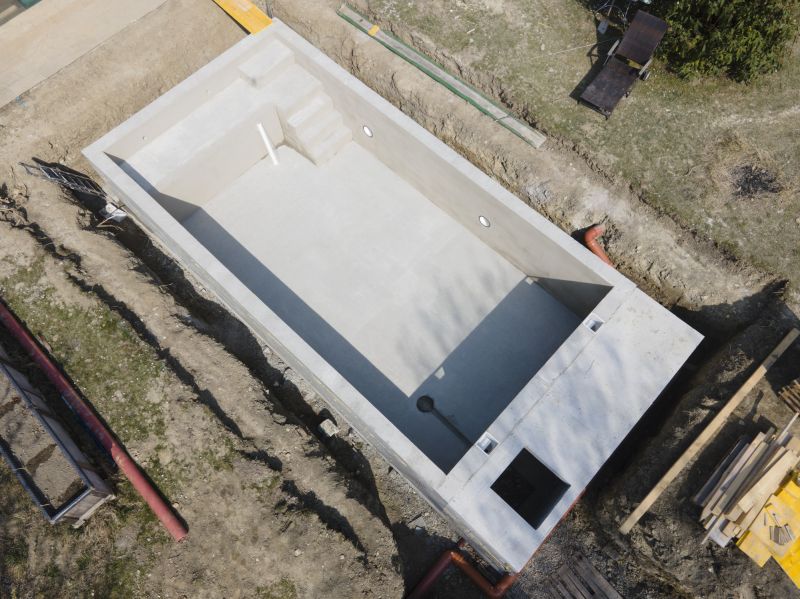
Ways to make Gunite Installations work in tight or awkward layouts.
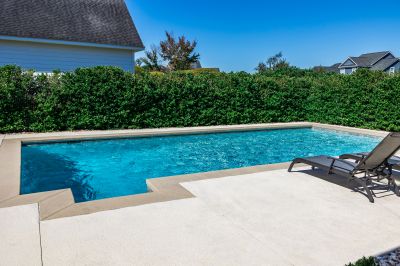
Popular materials for Gunite Installations and why they hold up over time.
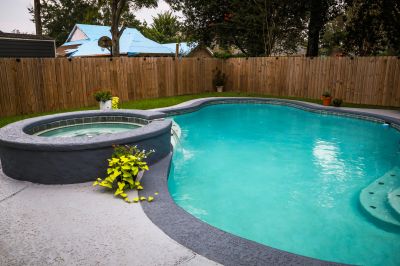
Simple add-ons that improve Gunite Installations without blowing the budget.
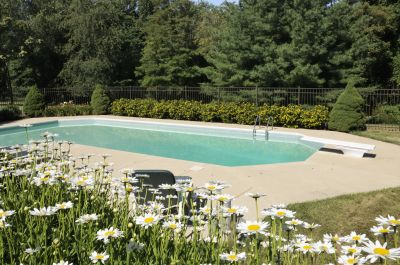
High-end options that actually feel worth it for Gunite Installations.
Gunite is a versatile and durable material used primarily for swimming pools, water features, and decorative surfaces. It is a dry mix of cement, sand, and water that is pneumatically sprayed onto a prepared surface. The process allows for precise shaping and a high-quality finish, making it a popular choice among contractors and property owners. Properly installed Gunite can last for decades with minimal maintenance, provided it is applied under suitable conditions and with proper curing techniques.

Finishes and colors that play nicely with Gunite Installations.

Little measurements that prevent headaches on Gunite Installations day.

A 60-second routine that keeps Gunite Installations looking new.

A frequent mistake in Gunite Installations and how to dodge it.
| Season | Advantages |
|---|---|
| Spring | Moderate temperatures and low humidity promote optimal curing. |
| Fall | Cooler weather reduces evaporation and cracking risk. |
| Summer | Potential for quicker curing, but risk of high temperatures and rapid drying. |
| Winter | Cold weather can hinder curing and affect adhesion, generally not recommended. |
Selecting the right time for Gunite installation involves considering local climate patterns and weather forecasts. Proper timing ensures the material cures correctly, resulting in a durable and visually appealing surface. Consulting with experienced professionals can help determine the most suitable period for specific project needs.
Interested in Gunite installations? Filling out the contact form can facilitate planning and scheduling during the most appropriate season, ensuring high-quality results and long-lasting surfaces.